


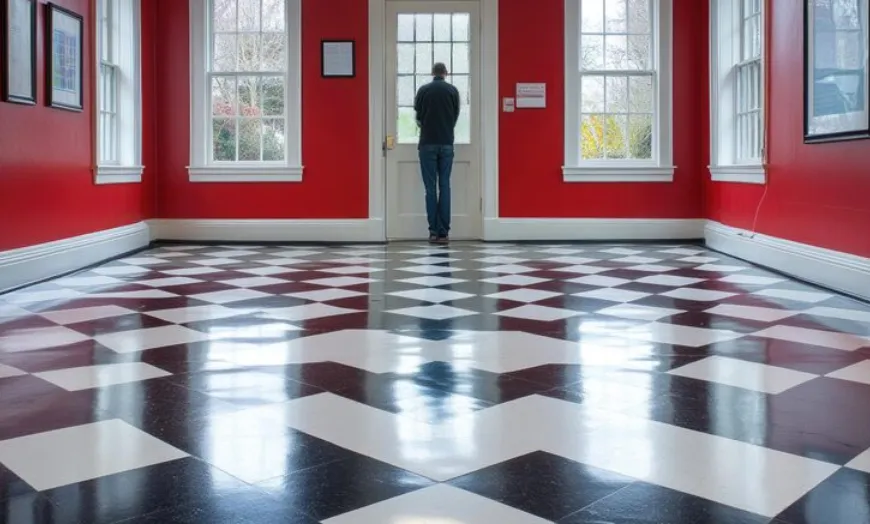
Bare concrete floors crack easily, collect oil stains, and create white dust that tracks inside homes. Choosing epoxy flooring Anderson solutions fixes these common garage issues by adding a tough protective barrier over plain slabs. Local crews grind old concrete smooth and spread thick resin mixes that dry rock hard. Plain floors get instantly brighter, cleaner, and much safer. This quick guide breaks down different options so homeowners can pick strong materials, dodge quick DIY mistakes, and enjoy clean indoor spaces for many long years ahead without constant repairs.
Comparing Standard Water-Based Epoxy Mixes
Water-based products stay cheap and simple for beginner DIY projects at home. Store-bought paints dry fast, but thin coatings peel off quickly when hot car tires park on top. Water-thinned resin lacks heavy solid materials, so thin layers wear down under daily foot traffic after just two years. Professional installers usually skip these water-thin formulas completely. They choose stronger industrial resins that lock deep inside concrete pores. Spending extra money on thick commercial blends saves you money later by avoiding annoying floor scraping and full reapplication jobs.
Understanding Heavy Solid Commercial Epoxy
Thick solid resin cures through pure chemical reaction instead of basic air drying. Heavy resin builds a thick protective shell over concrete that blocks water, dark oil drops, and sharp dropped tools. Professional garage flooring Anderson crews rely on full solid blends for busy residential spaces. The thick liquid levels out tiny surface cracks, making rough concrete smooth again. Solid coatings last well over ten years without peeling or flaking off. Chemical resistance keeps dirty leaks from soaking deep into floors, which makes weekend shop cleanups fast and easy using just basic water.
Evaluating Polyaspartic Coating Rapid Options
Polyaspartic systems dry super fast, letting homeowners park cars back inside by tomorrow. Extreme heat or cold weather does not stop these fast chemical coatings from curing right. UV rays will not turn light colors yellow over long summers, which keeps outdoor light bright inside open garages. Fast dry times mean workers must spread liquid rapidly across large floors before it hardens solid. Poor surface prep leads to bad bonding issues later. Hiring trained local pros ensures smooth application while giving your home ultra-fast turnarounds and incredible scratch protection.
Choosing Decorative Color Flake Designs
Vinyl color flakes add nice style while hiding dirt, small rocks, and light dust. Dropping tiny plastic chips into wet base resin creates textured floors that stop dangerous wet slips. Homeowners pick custom color blends matching house trim or favorite sports teams. Bright gray, deep blue, or warm tan chips break up plain flat surfaces nicely. The textured top layer grips shoe soles tightly, keeping family members safe during wet, rainy seasons. Heavy clear topcoats seal chips flat so dirt cannot hide under raised edges during regular sweeping.
Comparing Initial Costs And Durability
Cheap DIY kits cost much less upfront, but frequent peeling creates high costs over time. Professional installation costs more initially, yet commercial-grade coatings outlast store kits by many years. Real value comes from complete concrete grinding, deep repairs, and thick multi-layer systems. High-quality materials resist heavy tool drops, hot tires, and chemical spills without chipping. Investing in expert labor avoids wasted weekends spent fixing peeling DIY patches. Strong floors raise overall home value while keeping utility spaces clean, bright, and completely functional for decades.
Essential Preparation Steps For Success
Concrete prep work decides if new floor coatings stick tightly or peel right off. Workers use heavy diamond-head grinders to open tight surface pores before rolling liquid. Patching small cracks, cleaning old oil spots, and testing for hidden slab moisture prevents future bubbles. Skipping mechanical prep steps causes quick coating failure, even with expensive top-tier resins. Etching acids leave hidden chemical residues, so diamond grinding stays the safest prep choice. Proper base work guarantees strong chemical bonds that keep high-end floor coatings firmly locked in place.
Conclusion
Upgrading plain concrete floors creates bright, durable spaces that handle heavy daily use without breaking down. Understanding coating choices helps you pick strong materials that match home budget plans and style needs. Professional prep work combined with top-grade solid resins prevents ugly peeling, dark oil stains, and dangerous slips. For top service, local advice, and expert installation on your next project, visit carolinaflooringspecialists.com today. Quality floor coatings keep your home clean, well protected, and highly functional while boosting total property value for many years to come.