


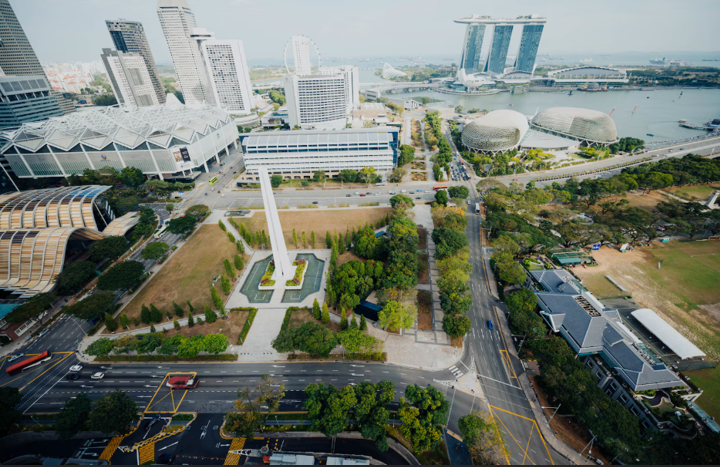
Residential property investment in Singapore is often considered relatively low risk, but not all investments carry the same risk profile. One of the most effective ways to reduce downside risk is through strategic location selection. In a land-scarce and tightly regulated market, location fundamentals play a decisive role in protecting capital and supporting long-term returns.
Understanding how location mitigates risk helps buyers and investors make more resilient and informed property decisions.
Location as a Risk Filter
A strong location acts as a filter against multiple forms of risk, including demand fluctuations, oversupply, and shifting buyer preferences. Properties situated in well-established areas with proven demand are generally less vulnerable to sudden changes in market sentiment.
Buyers who prioritize location fundamentals are less dependent on timing the market perfectly and more reliant on enduring demand drivers.
Infrastructure and Accessibility as Anchors
Locations supported by mature transport networks and infrastructure offer greater certainty. MRT connectivity, road access, and proximity to employment hubs help ensure sustained demand from both owner-occupiers and tenants.
Developments such as Vela Bay benefit from infrastructure-supported locations that enhance accessibility while preserving residential comfort and lifestyle appeal.
Established Districts vs Emerging Areas
Emerging areas may offer lower entry prices, but they also come with higher uncertainty. Infrastructure delivery timelines, neighborhood character, and future supply levels may evolve unpredictably.
Established districts, by contrast, provide clarity. Buyers can assess existing amenities, understand how the area functions, and identify the resident profile it attracts. Well-planned residential communities such as Tengah Garden Residences illustrate how structured planning and integrated infrastructure can reduce uncertainty even in developing towns.
Demand Diversity and Market Resilience
Strategic locations tend to attract a diverse range of buyers and tenants. Professionals, families, and long-term residents may all find value in the same area for different reasons.
This diversity strengthens market resilience during downturns. Properties that appeal to multiple demand segments are less exposed to sudden demand shocks compared to those targeting a narrow buyer profile.
Rental Demand as a Safety Net
Strong rental demand provides an additional layer of protection. Even if resale conditions soften temporarily, rental income can help offset holding costs and maintain cash flow.
Well-located properties with practical layouts and good accessibility are more likely to maintain stable occupancy levels across market cycles.
Supply Constraints and Risk Management
Locations with limited redevelopment potential reduce the risk of oversupply. Controlled land use and zoning restrictions support price stability and limit sudden competition from new developments.
Buyers who understand local supply dynamics and redevelopment constraints are better positioned to manage long-term investment risk.
Evaluating Location Risk Factors
When assessing location-related risk, buyers should consider:
- Transport and infrastructure maturity
- Availability of daily amenities and services
- Supply constraints and redevelopment potential
- Diversity and sustainability of demand
Comparing developments such as Vela Bay and Tengah Garden Residences helps buyers understand how different locations influence risk exposure, livability, and long-term performance.
Conclusion
Strategic location selection remains one of the most effective tools for risk management in Singapore’s residential property market. Buyers who prioritize strong, well-planned, and established locations are more likely to protect capital, maintain flexibility, and achieve sustainable long-term investment outcomes.